There are several common illnesses that can kill fish during the winter-
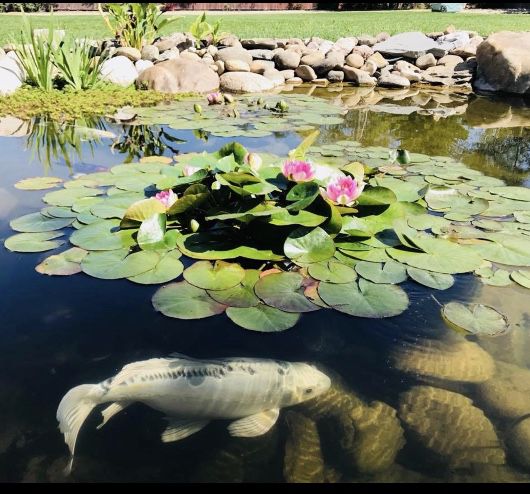
Temperatures – when the water is below 35˚F for a period of time, the fish will stress and can begin to die. Koi being temperate zone fish (not “tropicals” and not “cold-water” fish) can withstand temperatures of 35˚F and 85˚F (2˚C – 29˚C). We all know that at 32˚F, water freezes.
But when sufficient salt is added to the water, the water does not freeze at 32˚F, and yet fish will still die. The deeper the pond, the better chance your fish have because the earth around the pond is a good thermo-regulator.
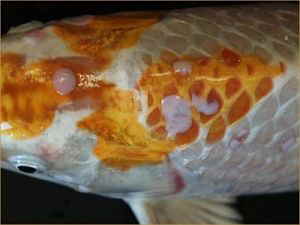
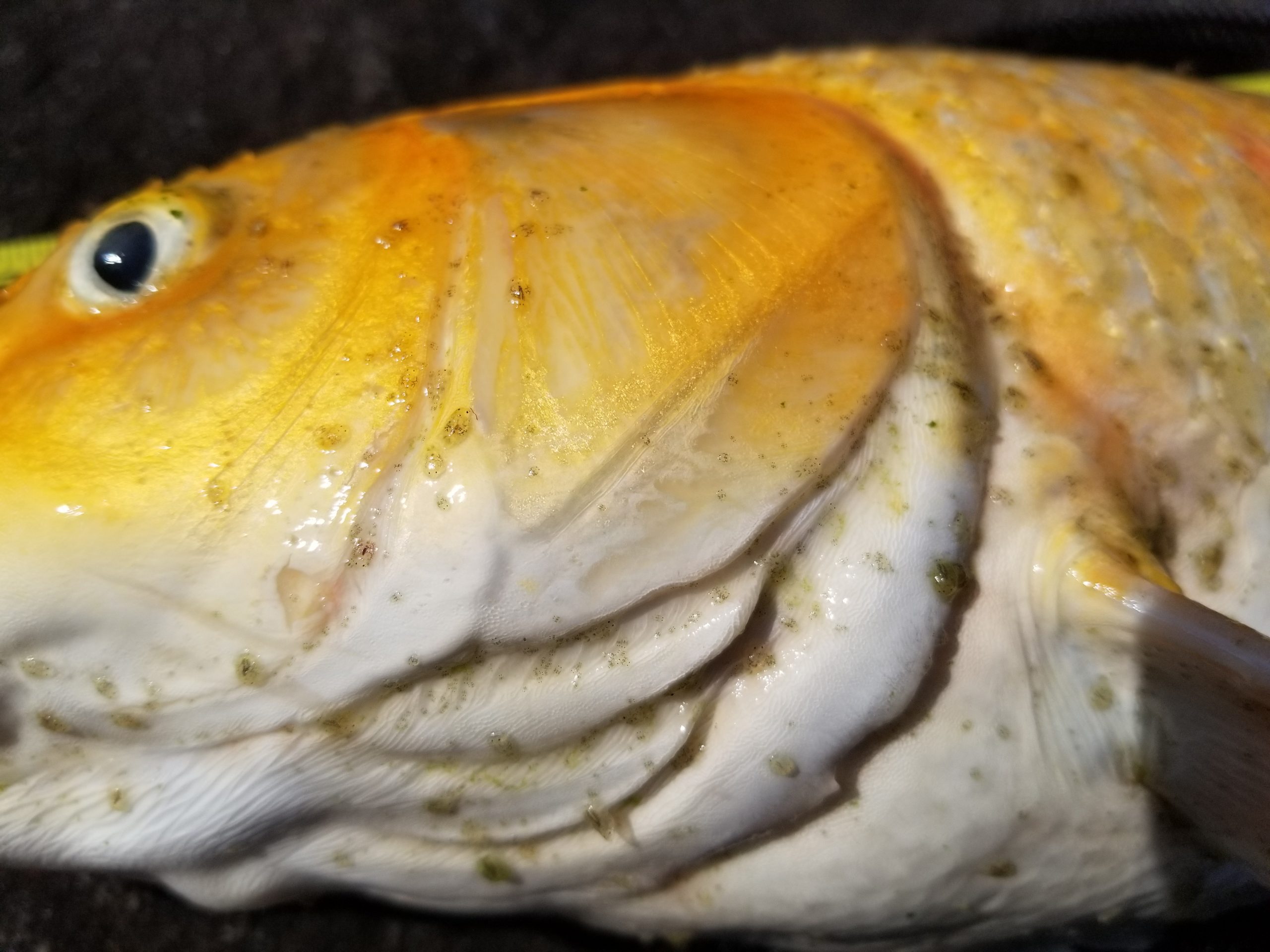
Saprolegnia – SAP is easy to diagnose. It is a freshwater mold that affects our fish. It appears as cotton wool on the body or fins of the fish and is caused by poor water quality. Over-stocking can also contribute to this deadly infection. It may develop a green “algae” appearance. If you are able, during winter, clean the pond and isolate the affected fish to prevent spread of infection. Treatment: Treating Saprolegnia (cotton wool fungus) in fish involves improving water quality, using anti-fungal agents like Methylene Blue, malachite green, or salt baths (1-3 tbsp/gallon), and addressing underlying injuries. It is usually a secondary infection following injury or parasite attacks, requiring clean, warm water and often antifungal/antibiotic treatment. Once the fish has been removed from the pond, it cannot be returned to the cold pond until spring.
Oxygen – having too many fish in the pond and trying to overwinter creates a stressful situation that can cause shortage of oxygen. If you begin to lose the largest fish first, that is proof of oxygen shortage in the pond. Even adding aeration may not solve the problem. A stream of air creates a vertical flow which can draw oxygen from outer areas of the pond. In this case, it will be the fish at the outer edges that succumb to oxygen shortage.
PREVENTION:
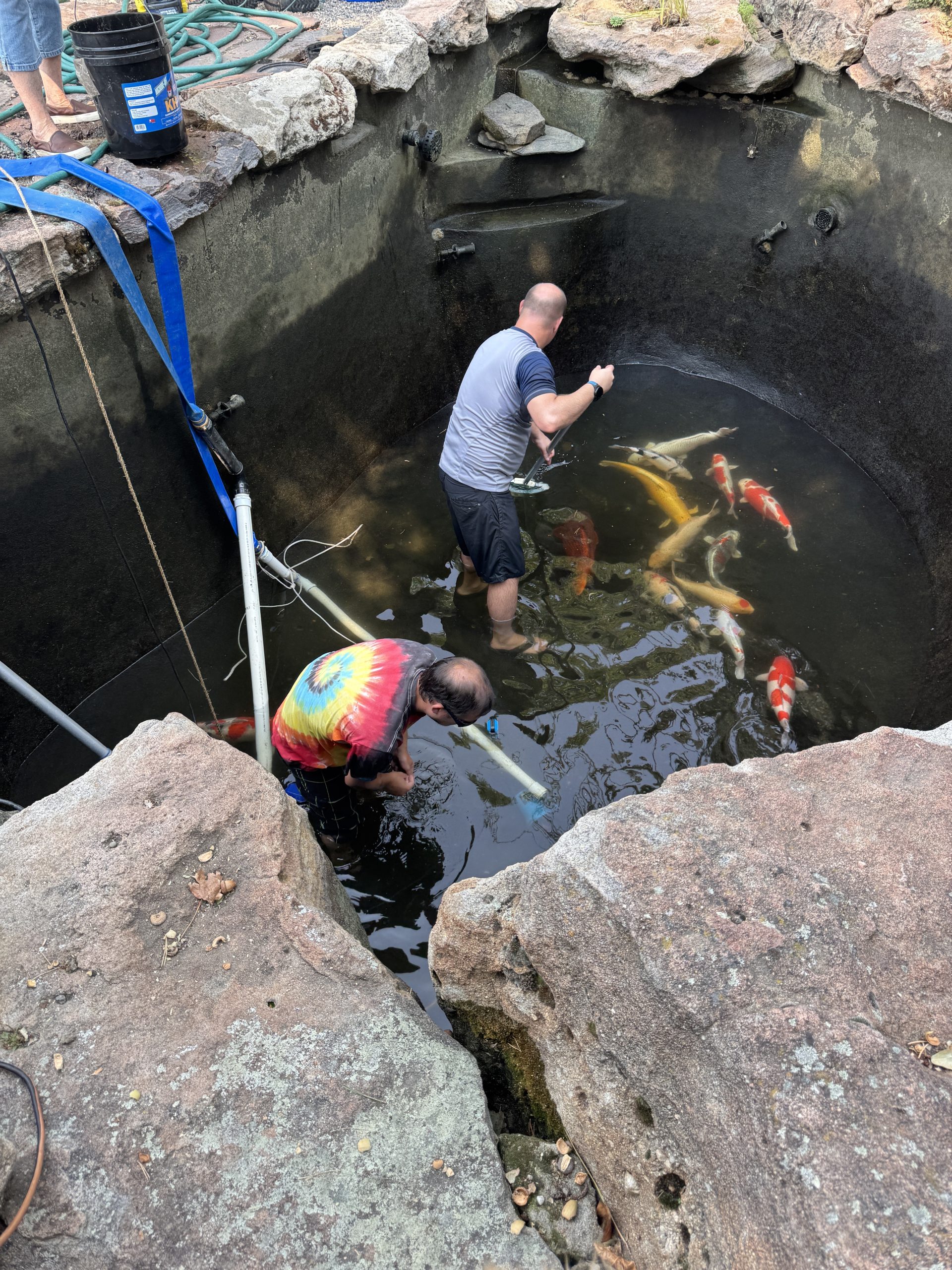
A clean pond before winter.
Net the pond in fall to prevent leaves collecting in the pond.
Water changes during winter.
Net out leaves as they enter the pond during winter.
Do not over stock.
Use Microbe-Lift/Autumn Winter Prep.