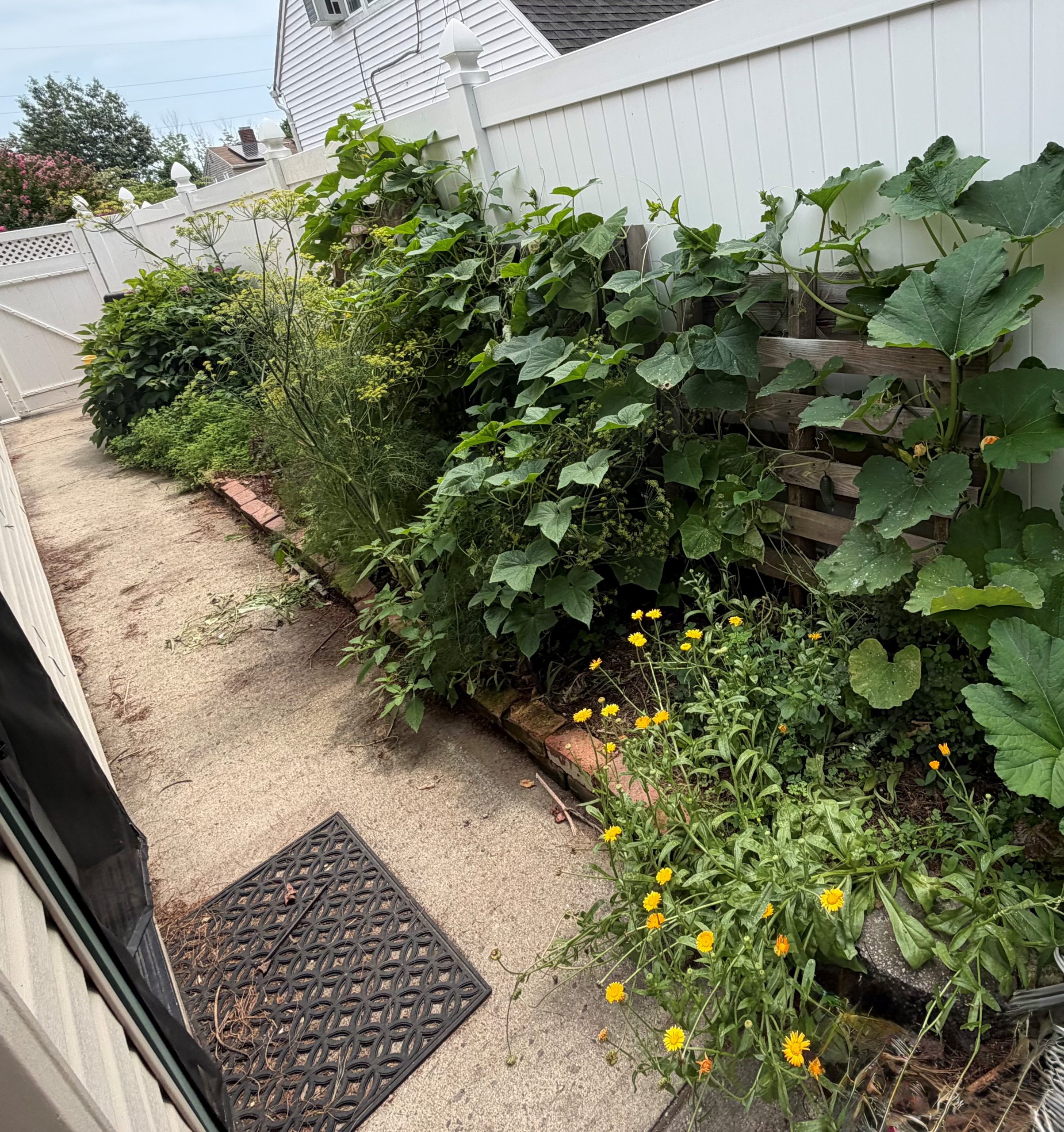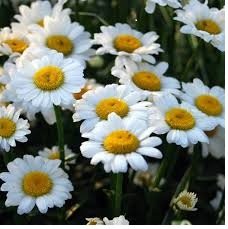
Garden Composting offers numerous benefits, primarily by enriching the soil and promoting healthier plant growth. Compost, which is decomposed organic matter, improves soil structure, enhancing its ability to retain water and nutrients while also promoting better drainage and aeration. It acts like a broad-spectrum organic fertilizer, supplying essential macro- and micronutrients such as nitrogen, phosphorus, and potassium, which are slowly released over time, nourishing plants on a consistent basis.
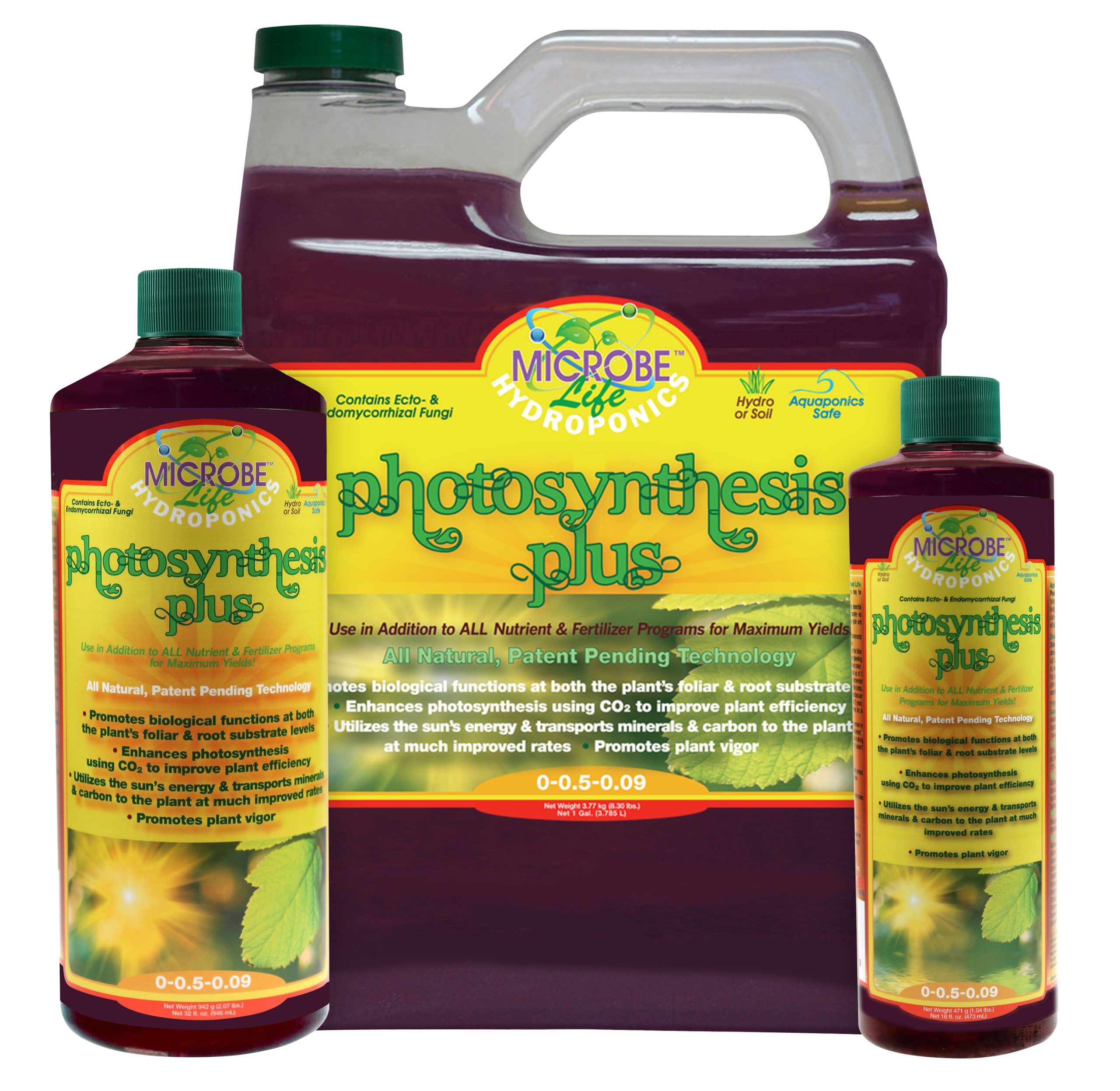
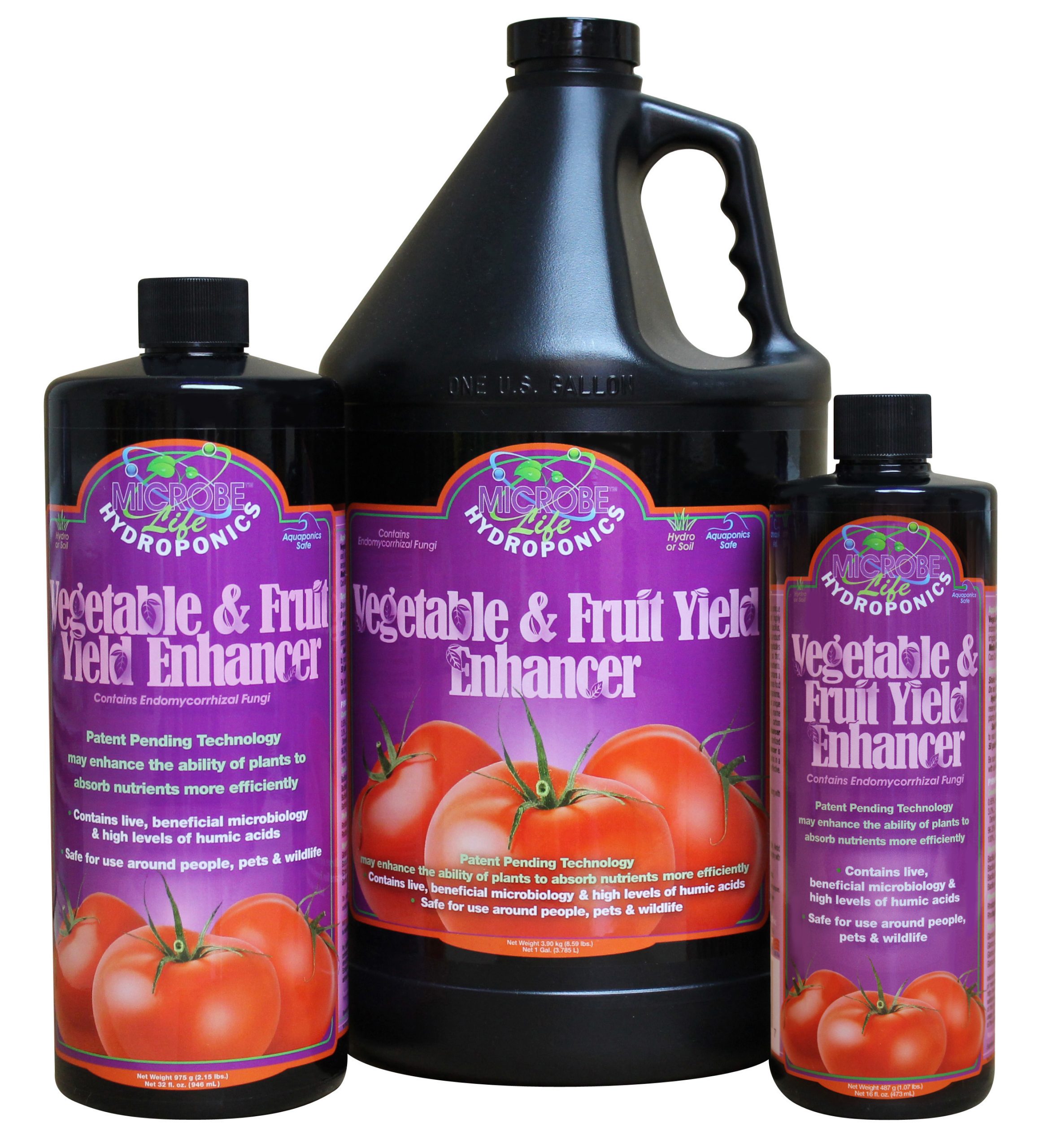
I am using MICROBE-LIFE PHOTO PLUS in the compost process. Pseudomonas and Bacillus in the Photo Plus play sequential but crucial roles in generating heat during composting. Initially, mesophilic bacteria like Pseudomonas rapidly consume simple organic compounds like sugars and amino acids. This initial phase of intense aerobic respiration produces the first wave of heat, raising the compost pile’s temperature. As the temperature rises above 40°C, the compost enters the thermophilic stage, where Bacillus takes over. These microbes can withstand high temperatures, use powerful enzymes to break down more complex materials like cellulose and proteins.
Beyond the nutrient breakdown, compost balances soil pH, making nutrients more available to plants, and fosters a diverse ecosystem of beneficial microorganisms, fungi, and attracts earthworms. These organisms further break down organic matter, improve aeration, and help suppress plant diseases, pests, and certain weeds, creating a natural defense system for your garden. Also, using compost helps prevent soil erosion, assists in stormwater management, and reduces the need for synthetic fertilizers and pesticides, contributing to environmental sustainability by diverting organic waste from landfills. It also saves me trips to the big stores for fertilizers, etc, not to mention cost and constant labor.
Is it difficult to process compost? Not at all! I feed my composter regularly with banana peels, apple peels, egg shells, and weeds (without the flowers or seeds), grasses, and other clippings from my garden. All I have to do is give it a turn once a day. I have a little red wagon that fits nicely under the composter when it is ready to take to the garden.