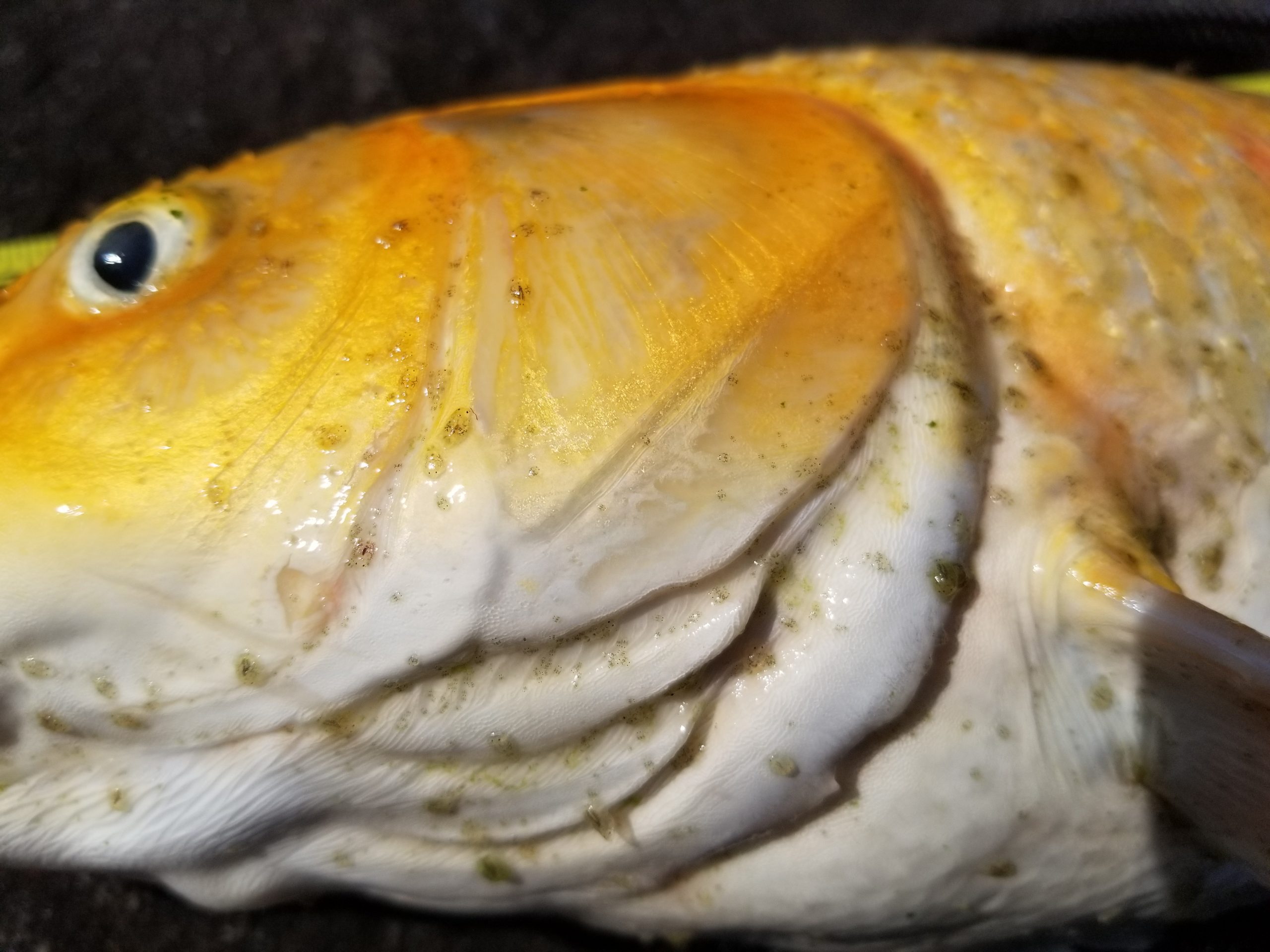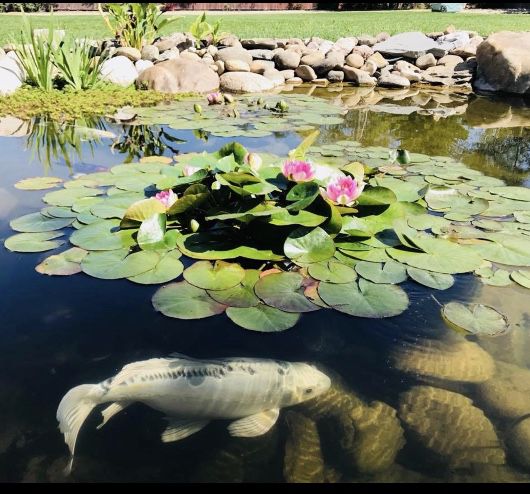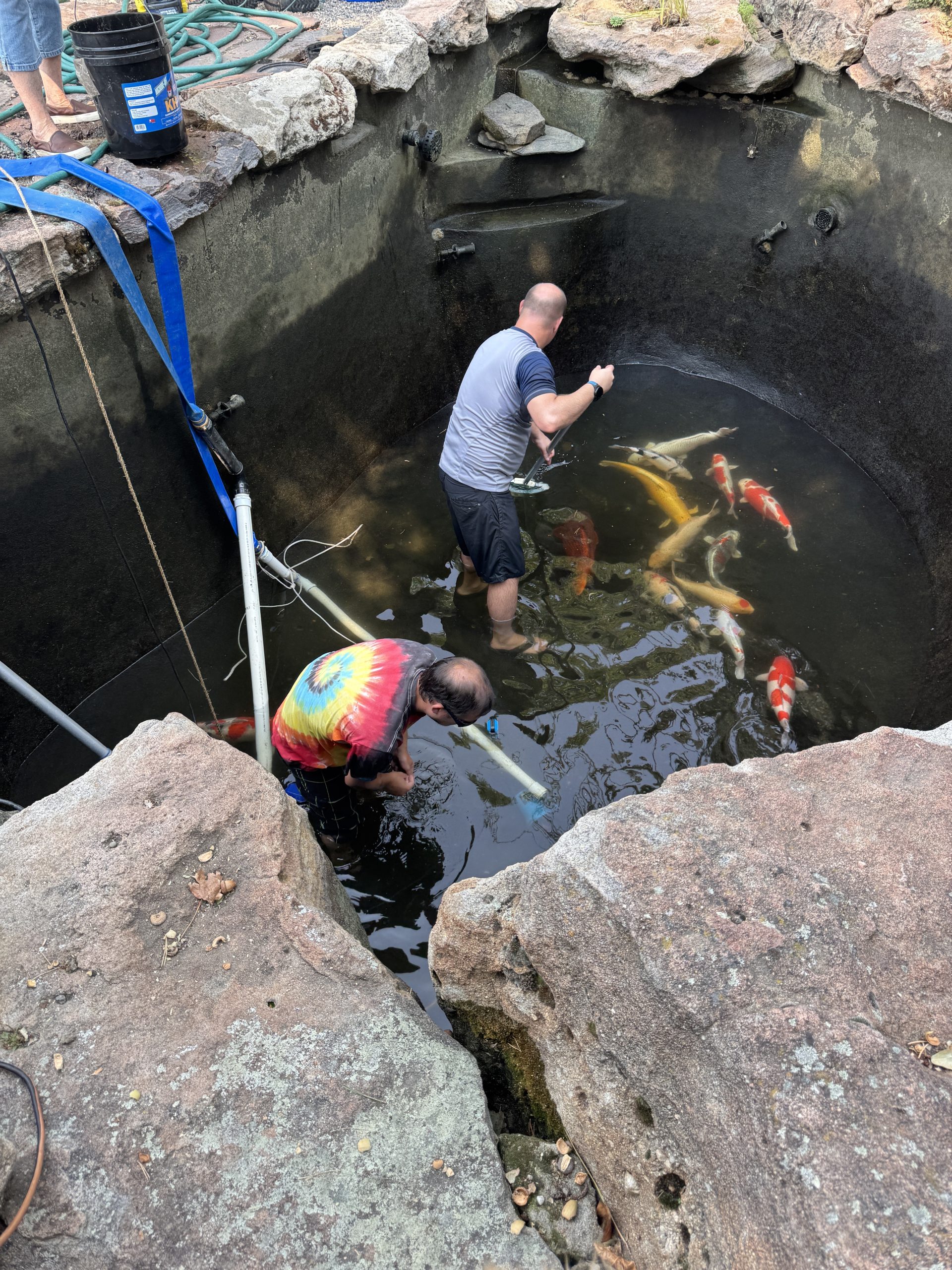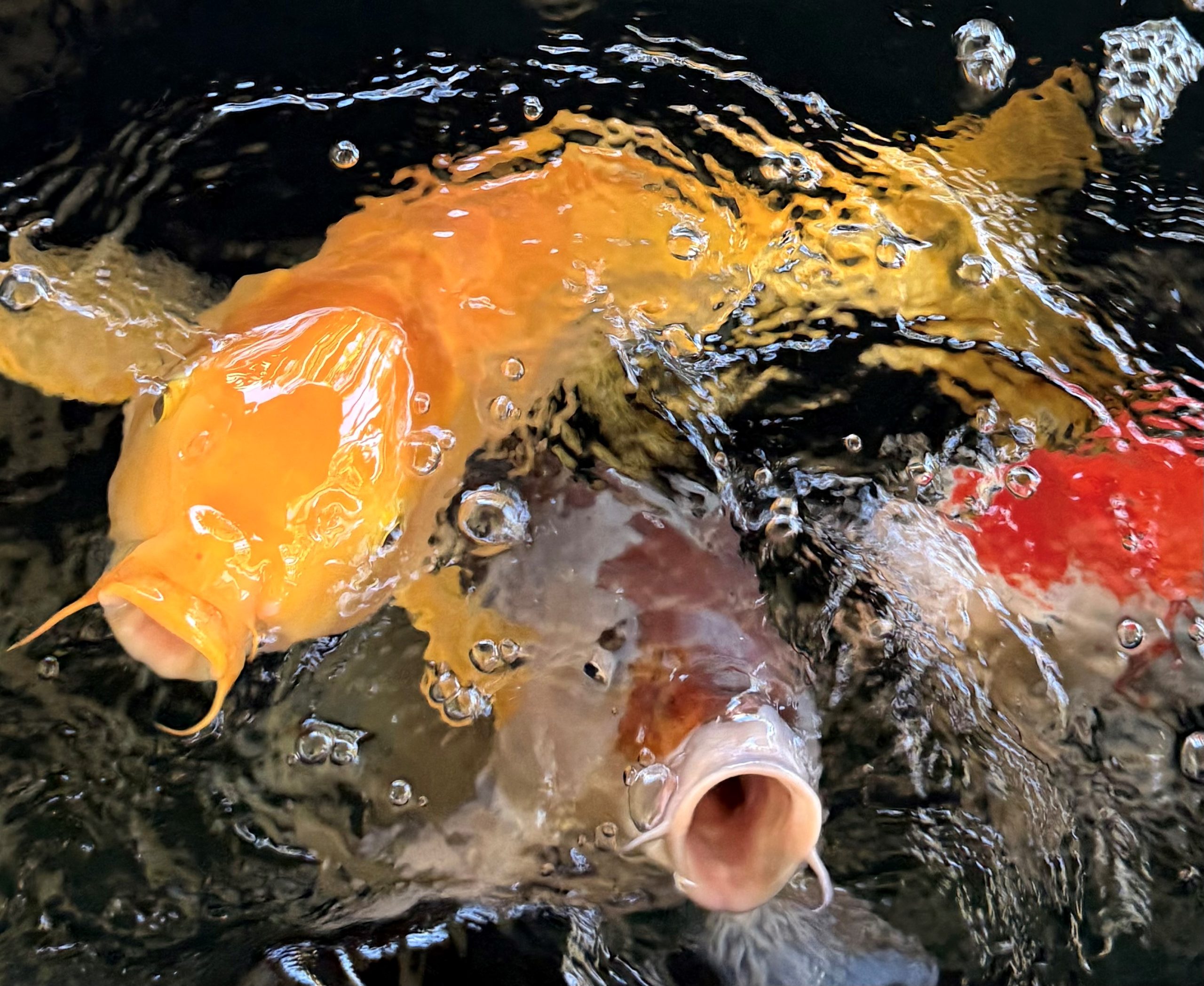
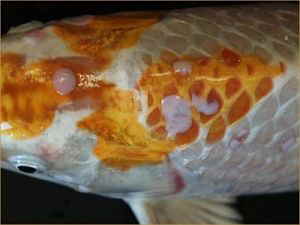
Because there is no direct medication that removes a virus from the fish, it is best to approach everything we can control. In this case, Carp Pox is temperature activated. The difference in Lymphocystis is that the lumps tend to have a more cauliflowered appearance. But the answers are the same:
- Check and stabilize your water
Viruses flare more when koi are stressed. And nothing stresses koi like bad water. Start by testing:
- Ammonia and nitrite (goal is 0 ppm)
- Nitrate (keep as low as reasonably possible)
- pH (steady, test at same time each day)
- KH/alkalinity (we like 110–150 ppm, especially with bead filters)
If you are doing water changes with tap water, or you are fighting ammonia and nitrite, products like these can help:
- Microbe-Lift/Aqua Xtremeto instantly detoxify chlorine and chloramine, and to bind ammonia coming in with tap water.
- Microbe-Lift/KH Bio-Active Boosterto raise and stabilize KH so your pH stays steady and your biofilter can do its job.
- Support the koi’s immune system
Carp pox is a viral issue. Your koi need a strong immune system and a clean environment to keep it pushed back into the “cosmetic nuisance” zone instead of a serious problem. Helpful steps include:
- Keeping stocking density reasonable (do not over-stock; figure 1” of fish to 10 gal. water)
- Providing good aeration (air stones, diffusers, &/or waterfalls)
- Feeding a consistent, high-quality diet appropriate for your water temperature.
A mature, healthy biofilter and low levels of harmful bacteria in the water column also make a big difference. That is where Microbe-Lift microbial products come in. Products such as Microbe-Lift/Legacy Summer Staple, Cold Weather, Immuno, Fruits & Greens, etc. are designed to:
- Compete with harmful bacteria and lower background infection pressure
- Support the biofilter so it can handle waste more efficiently
- Reduce sludge and organic waste that fuel disease problems
- Support the fishes’ immune systems
- Do not scrape or cut off the waxy patches
One of the first things people ask is, “Should I scrape this off?” Our answer is always: please do not.
- Picking or cutting at lesions does not remove the virus
- It can leave raw, bleeding areas that easily turn into ulcers
- It adds a lot of stress at the worst possible time
If a lesion cracks and becomes ulcerated, focus on gentle wound care, excellent water, and, when needed, topical or systemic treatments guided by a fish vet. Microbe-Lift wound-care products like Sabbactisun and Pond Salt are designed to support healing once an actual wound or ulcer is present.
Q: When should I get a koi vet involved?
There is a point where you should move beyond photos and internet advice and contact a qualified fish veterinarian. We recommend seeking professional help if:
- Koi are having trouble breathing or eating because of lesions
- Lesions are rapidly spreading, turning red, or becoming deep ulcers
- Multiple fish are sick, lethargic, or dying in a short time
- You suspect KHV or another serious systemic disease
A koi vet can do skin/gill scrapes, biopsies, and lab tests to confirm exactly what is going on and build a treatment plan tailored to your pond.
Bringing it all together
If you are seeing white, waxy patches on your koi as the weather cools, you are not alone—and in many cases, you are looking at carp pox, a common, mostly cosmetic viral issue that flares under stress and cold water.
The key steps are:
- Look at how the fish is acting, not just how it looks
- Get water quality right and keep it stable
- Support the immune system with good nutrition and a clean, well-aerated pond
- Resist the urge to scrape or cut off lesions
- Call Carolyn, if needed, @ 239-308-4331.