Knowing what you add to your tank is important. I added a Kuhli Loach in the hope it would keep the bottom free of uneaten foods. But, I did not know I should plant the bottom with low-growing aquarium plants to keep the fish happy. I hadn’t seen the loach for a couple of weeks and wondered what could have happened. That’s when I found out they are quite able to jump out of the tank! It’s so important to learn about new fish before adding them to your collection.
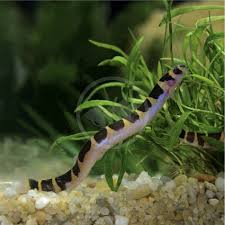
Kuhli Loaches are a great addition to the aquarium, once you know how to keep them happy. The Kuhli Loaches (Pangio kuhlii) are popular, eel-like freshwater aquarium fish known for their striking striped appearance, peaceful nature and quirky bottom-dwelling behaviors.
They originate from Southeast Asia (Indonesia, Malaysia, Thailand, Borneo, etc.) in slow-moving rivers, streams, swamps and peat areas with leaf litter, shade, and soft substrates.
Tank requirements:
Minimum Tank Size: 20-gallons (75 liters) for a small group; longer tanks are preferred over tall ones for bottom dwellers. Smaller tanks (10 gallons) are sometimes used, but not ideal for groups.
Substrate: Fine sand or smooth, rounded gravel—essential to protect their delicate, scaleless bodies and allow burrowing. Avoid sharp or coarse materials.
Water parameters:
- Temperature: 74-85°F, ideally 75-80°F
- pH: 6.0-7.5
- Hardness: Soft to medium (3-12 dGH)
- Low to moderate flow; they dislike strong currents.
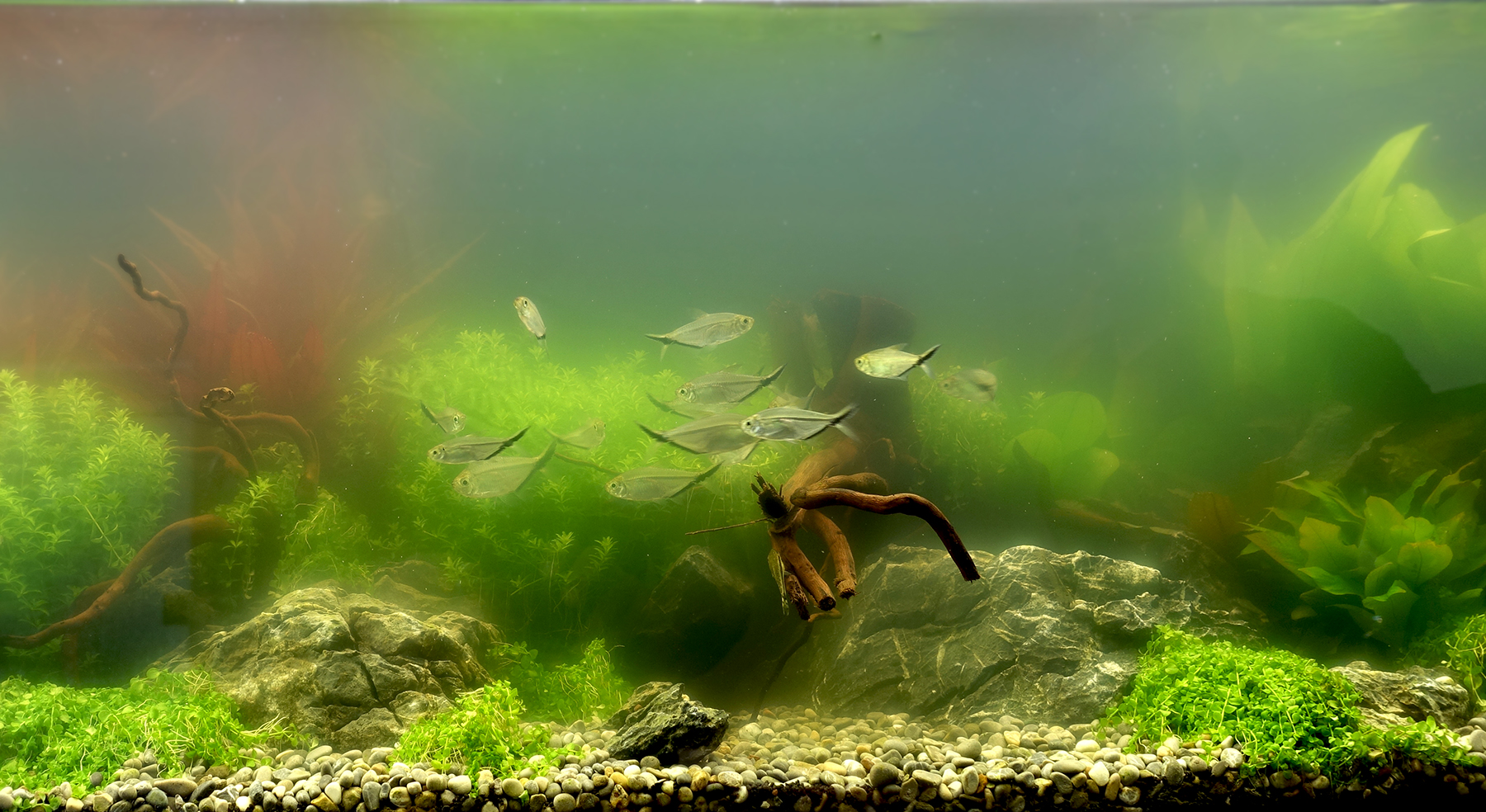
- Setup: Plenty of hiding spots (driftwood, rocks, caves, dense plants like Java fern or Anubias). Dim lighting helps them feel secure. A secure lid is crucial—they are escape artists that can squeeze through tiny gaps.
- Filtration and Maintenance: Gentle filtration, regular water changes (they are sensitive to poor water quality and ammonia spikes). Low bio load makes them suitable for well-maintained tanks.
- Diet: omnivorous bottom feeders. They enjoy sinking pellets, algae wafers, Repashy gel foods, frozen or live foods, like bloodworms, blackworms, brine shrimp. Blanched veggies (zucchini, etc.) Feed in the evening when they are most active and ensure food reaches the bottom before other fish eat it all.
- Compatibility: good tankmates include other peaceful community fish (tetras, rasboras, small Corydoras, shrimp, snails). Avoid large, aggressive fish or those that might nip at their bodies. They coexist well in planted community setups.
- Common Challenges & Health: Prone to stress-related issues or infections if parameters fluctuate. Watch for signs of Ich of bacterial issues; quarantine new fish. Lifespan: 7-10+ years with good care.