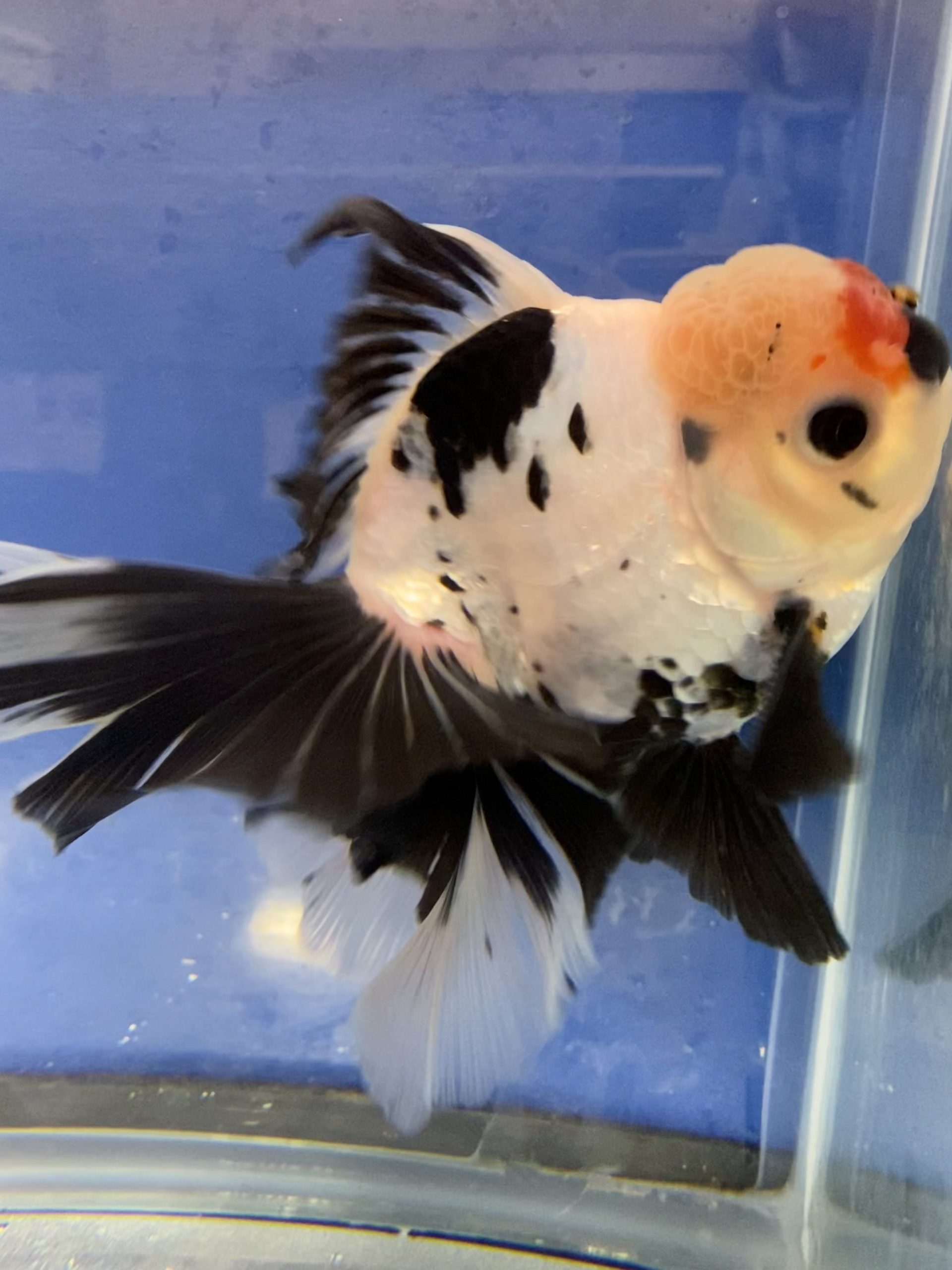
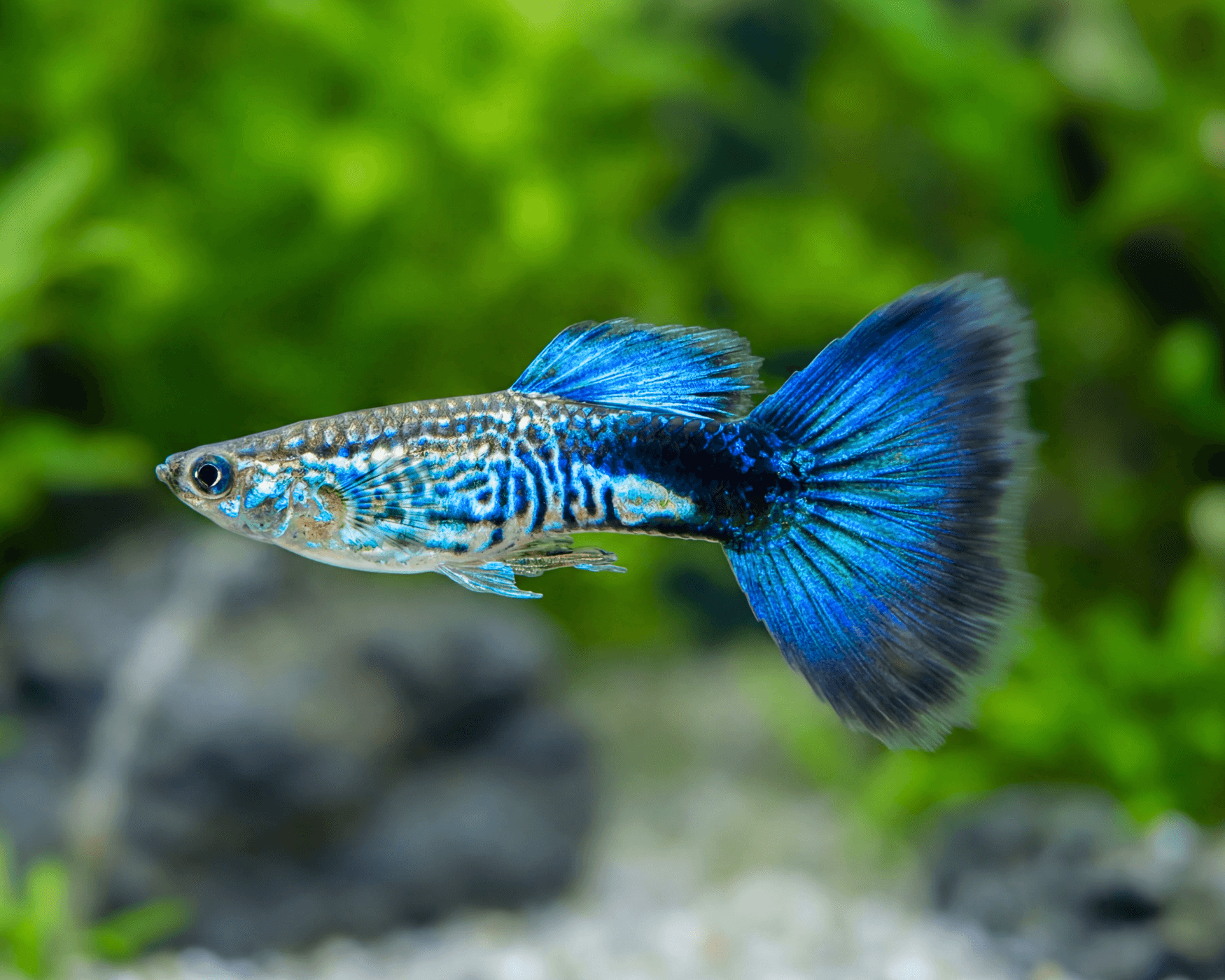
My first fish, naturally, was a goldfish in a bowl. But I was coming up in the world when I got the hexagonal bowl and GUPPIES. From there, I graduated to 10 and 20-gallon aquariums. Livebearers are the greatest fish for youngsters and new-comers. However, that was almost a century ago, and the guppies of today are absolutely GORGEOUS! There are assorted fan tail guppies, double swordtails, bottom swordtail, top swordtail, pintails, Delta tails, Half-moons, and Dumbo ears! They’ve bred Cobra Guppies, Panda Guppies (black & white), and so many beautiful varieties, why would anyone look further than the GUPPIES?
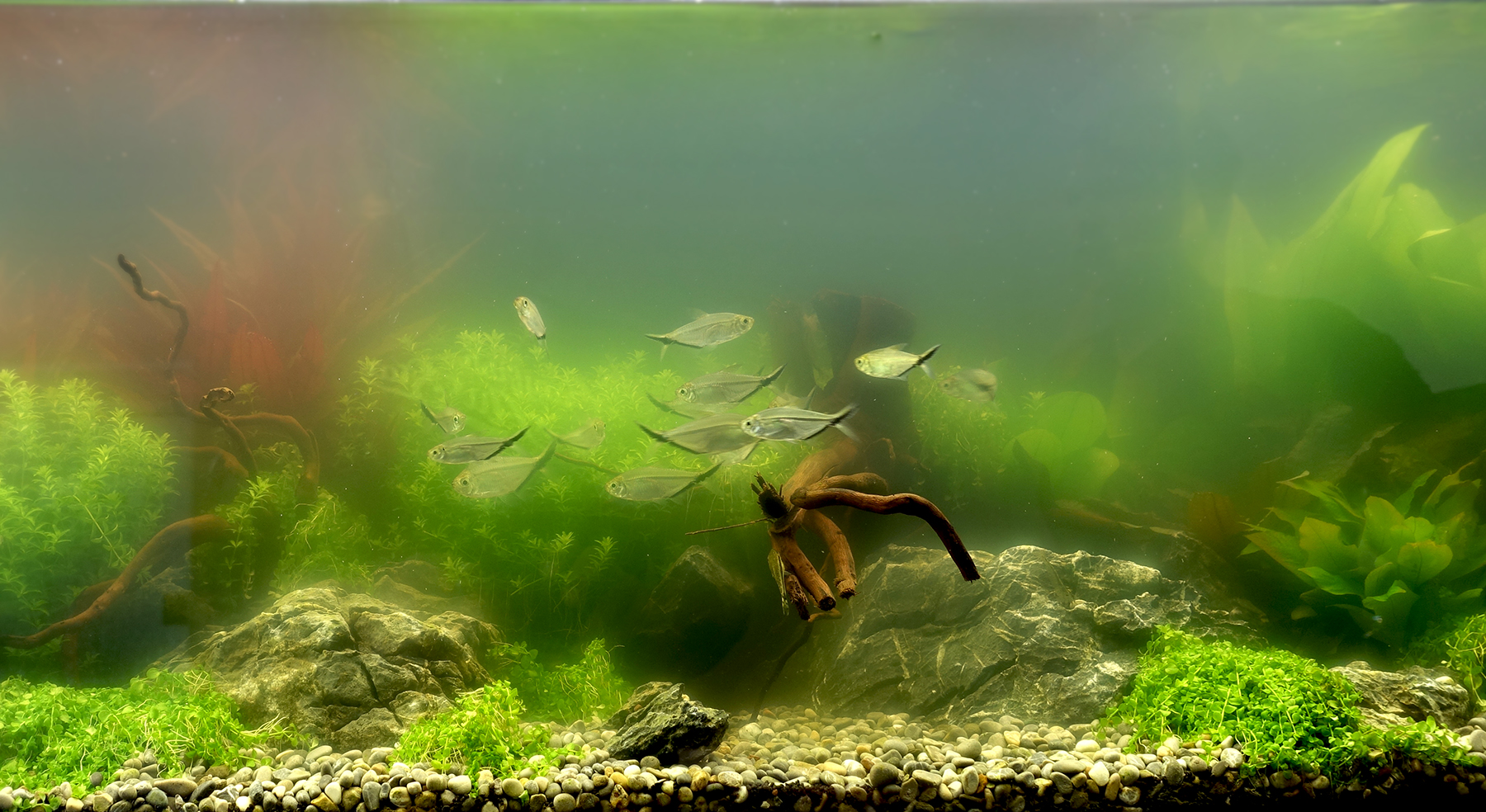
I also love guppies because they are so busy in the tank! Give them a 75-gallon long tank and see the excitement against a background of black. Provide plants (floating and planted) and rocks for the fry to hide, because livebearers are always bearing.
- Filter: Guppies are sensitive to strong currents. Use a gentle filter like a sponge filter or attach a pre-filter sponge to your intake to protect their long, flowing fins and any newborn babies
- Heater: Since guppies are tropical, the water temperature must stay perfectly warm—ideally between 75°F to 82°F (24°C to 28°C).
- Lighting: A standard full-spectrum aquarium hood or light is necessary, especially if you plan on growing live plants.
- Water Parameters
Guppies thrive in water with a pH between 7.0 and 8.5. They are notorious lovers of “hard” water containing calcium and magnesium. If your tap water is too soft, you can use crushed coral in your filter or substrate to naturally harden the water. You can use Microbe-Lift/CMC clay to add calcium to the tank and a little Epsom Salt will add magnesium.
- Decor, Substrate, and Plants
- Start your tank: Microbe-Lift Special Blend and Nite Out II to start a new tank.
- Plants: Guppies love planted tanks. Not only do plants provide natural cover, but if you keep males and females together, they will breed abundantly. The babies (fry) will get eaten by the adults unless you have thick plant cover. Great beginner options include Java moss, guppy grass, and hornwort.
- Substrate: A 1–2-inch layer of freshwater sand or fine gravel works best. Sand is generally superior if you want to root live plants. A black background will show off the fish and rocks at the bottom + plants will give the fry more safety.
- Diet and Nutrition: Guppies are active omnivores that aren’t very picky. They need a varied diet to stay vibrant. A great feeding routine consists of a high-quality micro-pellet or flake food. You should also supplement their diet with frozen or freeze-dried treats like brine shrimp, daphnia, or bloodworms.
- Tank Mates and Ratios, for a Community tank
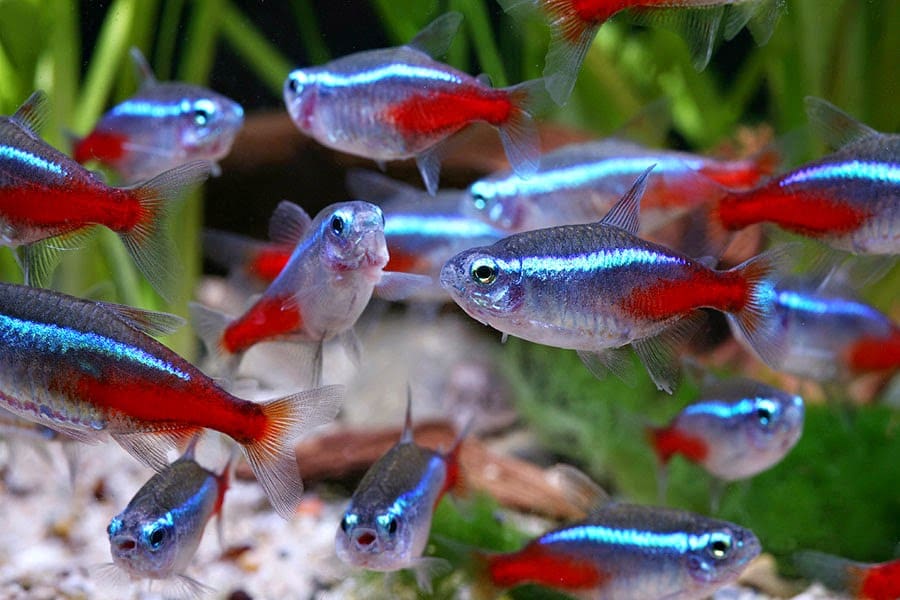
- Socializing: Guppies are peaceful schooling fish that do best in groups of three or more. They can be kept in community tanks alongside other peaceful nano-fish like neon tetras, or Corydoras. Avoid aggressive or fin-nipping fish, such as tiger barbs or cichlids.
- Male-to-Female Ratio: If you want to keep both males and females together, you must keep at least 2 to 3 females for every 1 male. This prevents the males from relentlessly chasing and stressing out the females.