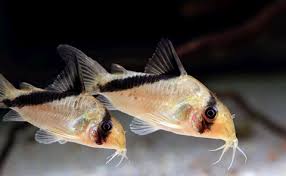
- CORYDORAS (CORY CATFISH)
- Size: 1 to 3 inches
- Temperament: Peaceful and highly social community fish
- Care & Diet: Best kept in schools of 5 or more. They act as active scavengers, happily consuming a diet of sinking pellets, wafers, and frozen foods.
- OTOCINCLUS (OTO CATFISH)
- Size: 1 to 2 inches
- Temperament: Extremely peaceful and active during the day
- Care & Diet: These nano tank champions are strictly algae eaters. They require an established tank with plenty of natural biofilm and algae, and will accept blanched vegetables like zucchini if food is scarce.
- BRISTLENOSE PLECO
- Size: 4 to 5 inches
- Temperament: Peaceful bottom-dwellers that prefer driftwood and hiding spots
- Care & Diet: Unlike larger plecos that can grow to over a foot long, Bristlenose max out at a manageable size. They are excellent algae eaters and need sinking wafers, driftwood, and blanched veggies in their diet.
- ASIAN STONE CATFISH
- Size: ~1 inch
- Temperament: Highly secretive and inactive during the day
- Care & Diet: Perfect for nano or pico tanks, but can be easily outcompeted for food. They need soft, sandy substrate and small, meaty sinking foods. They like high oxygen content.
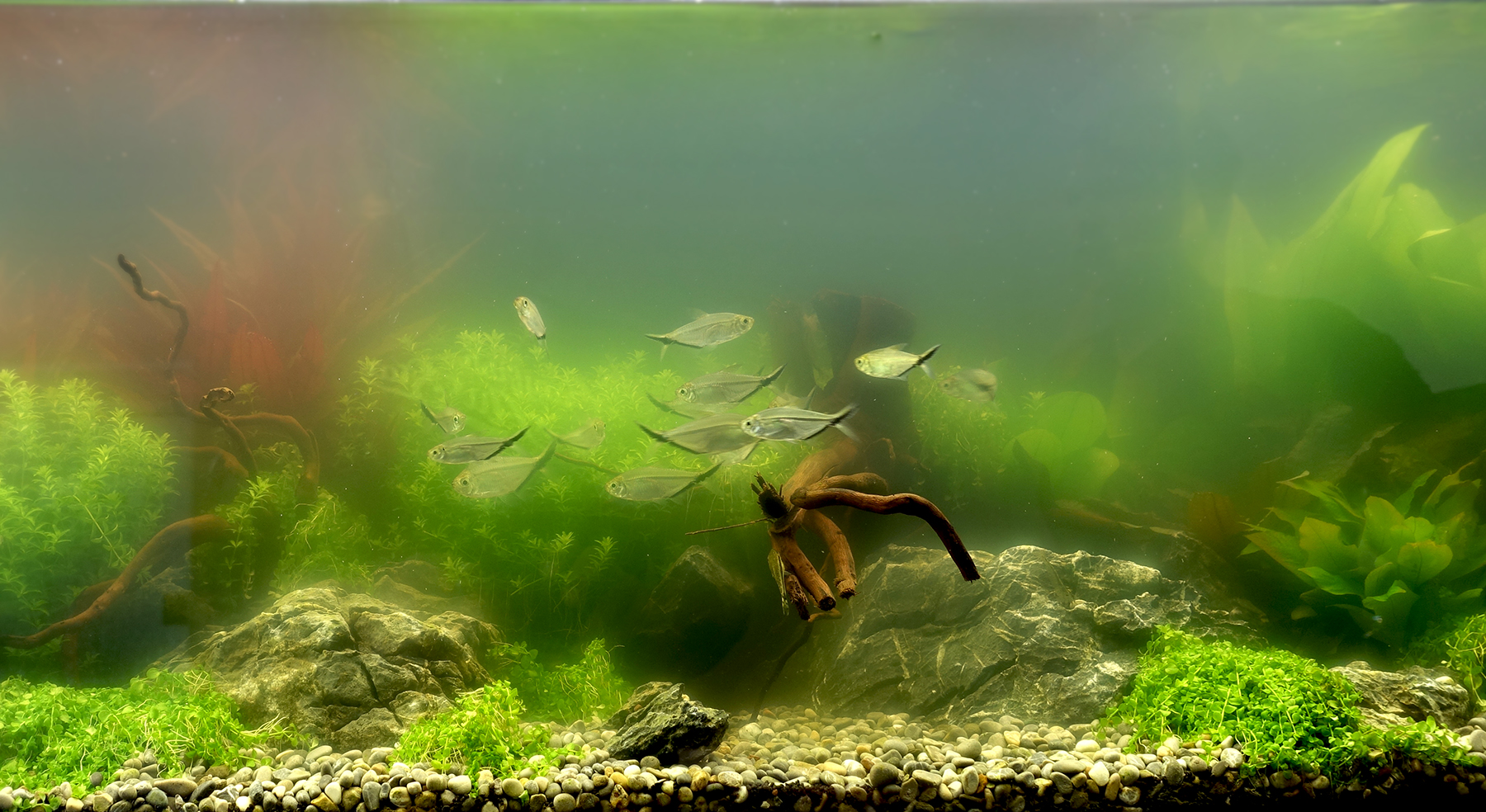
- GLASS CATFISH
- Size:5 to 3 inches
- Temperament: Peaceful, mid-water schooling fish
- Care & Diet: Unlike most catfish, they hang out in the middle of the water column in groups of 5 or more. They readily accept high-quality flake foods. They will consume anything that can fit into their mouths, so choose their tank mates carefully.
CARE & TANK REQUIREMENTS
- Diet: While they act as clean-up crews, catfish need to be directly fed. They should be provided with sinking pellets, algae wafers, and occasional fresh, blanched vegetables.
- Substrate: Because many catfish spend their time sifting through sand or resting on the bottom, a soft substrate is highly recommended to prevent barbels (whiskers) from being damaged.
- Handling: Most catfish possess sharp, locking spines on their dorsal and pectoral fins. Be highly cautious when netting them to prevent them from getting tangled in the mesh.
Tank Setup and Requirements
Raising catfish at home—whether as pets in aquariums or for food in backyard setups—requires specific infrastructure to keep the fish healthy.
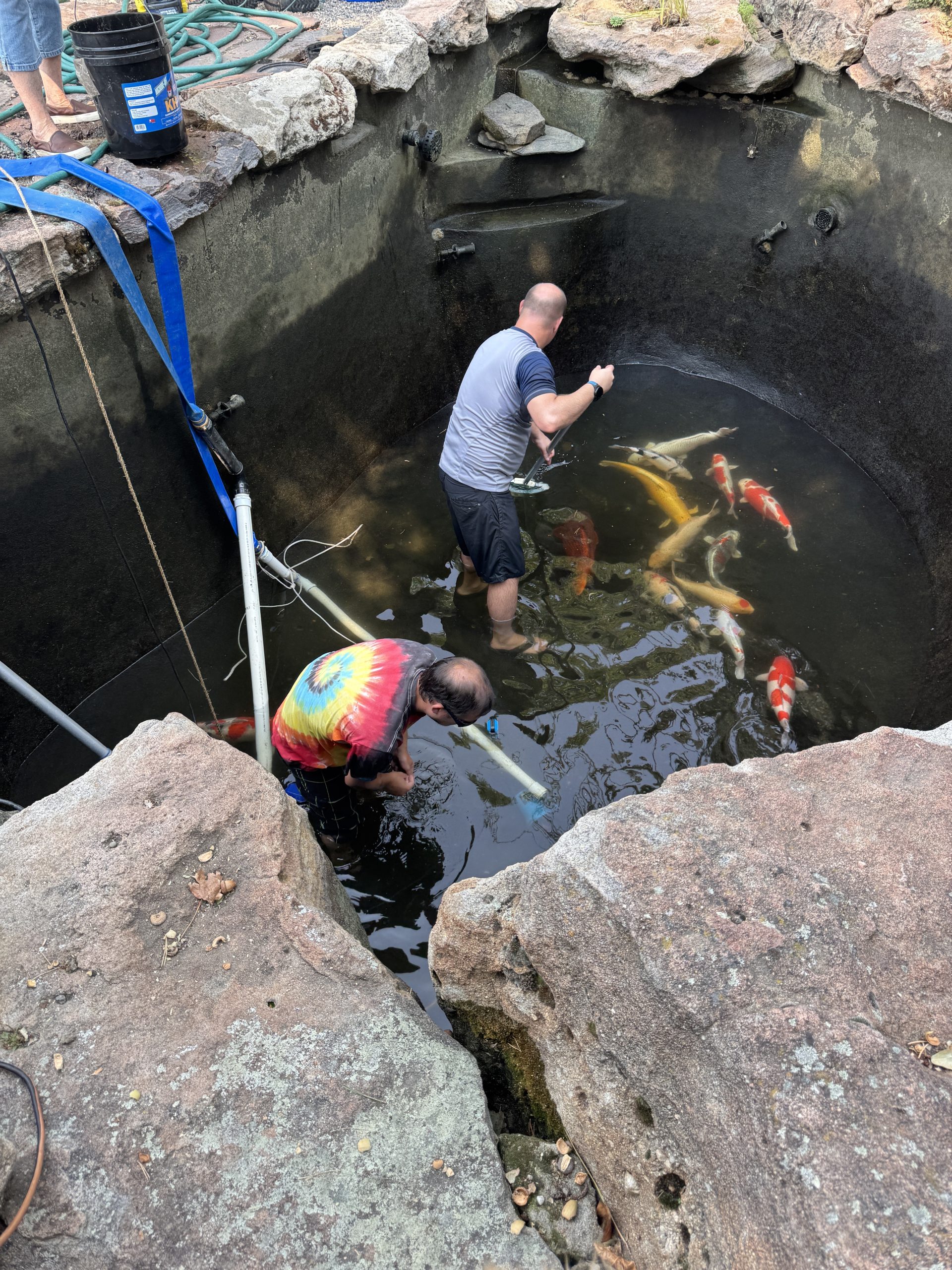
- Tank Size:Small tanks (like 50-100 liters) are only suitable for holding small fingerlings or for very short-term sorting. For growing out catfish, large food-grade IBC totes, Rubbermaid stock tanks, or large custom tanks (300+ gallons) are necessary.
- Filtration and Aeration:
Catfish are messy eaters. A heavy-duty filtration system combined with a strong air pump is required to maintain the high oxygen levels and water quality they need to grow.
- Stocking Density:Overcrowding is a major hazard that will stunt growth or lead to cannibalism. A standard recommendation is to provide roughly 1 pound of fish per 5–10 gallons of water, or about one full-grown fish per 8 gallons.
- Daily Care and Feeding
Maintaining clean water is the most important factor in catfish farming. The cleaner the water, the more the fish will eat and the faster they will grow.
- Water Changes:You will need to perform regular water changes to remove ammonia, nitrites, and solid fish waste.
- Feeding:Feed them a high-quality, high-protein commercial pellet diet. Typically, you should feed them about 2.5% of their body weight daily, removing any excess food that sinks to the bottom to prevent water pollution.
- Sizing:As they grow, you must separate larger catfish from smaller ones to prevent them from eating each other.
- For a 20-gallon tank, the best catfish options are Corydoras(like Panda, Pygmy, or Sterbai) or Dwarf Anchor Catfish. These remain small, peaceful, and active, making them perfect bottom-dwellers for a 20-gallon community.
- NOTE: Always do your research before you stock the fish.